Use our "Let's Design" link to upload your project details and get 10% OFF your order!
Real Wood vs MDF
Woodlife Creations
12/2/20254 min read
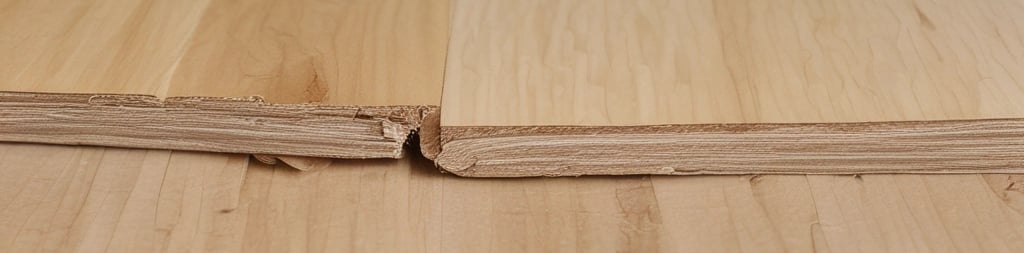
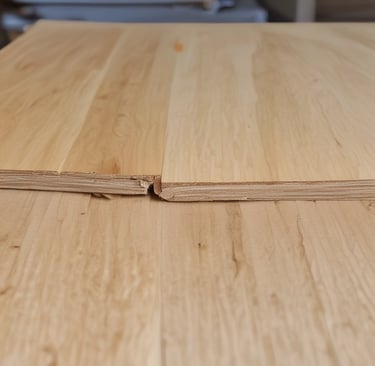
Benefits of real wood compared to Mdf or particle board
Real wood has been used for centuries in furniture, construction, and craftsmanship. Yet in today’s market, materials like MDF and particle board are everywhere—mainly because they’re cheap and easy to manufacture. But when you compare the benefits of real wood compared to MDF or particle board, the difference becomes crystal clear. Real wood stands stronger, lasts longer, and provides unmatched natural beauty that engineered materials simply can’t replicate.
Below, we’ll explore everything you need to know—from durability and aesthetics to environmental impact and long-term value.
Understanding the Difference Between Real Wood, MDF, and Particle Board
What Real Solid Wood Is Made Of
Real solid wood is exactly what it sounds like—boards cut directly from natural hardwood or softwood trees. Because it’s a natural material, every plank has unique grain patterns, colors, and structural fibers. These natural characteristics give real wood exceptional durability, strength, and longevity.
How MDF Is Manufactured
MDF (medium-density fiberboard) is made by breaking wood fibers into a fine pulp and mixing them with wax and resin. This mixture is then compressed under high heat. The end product is smooth but lacks the grain, texture, and internal strength of real wood.
What Defines Particle Board
Particle board is the most inexpensive option. It’s made from sawdust, wood chips, and leftover wood particles glued together. Because the pieces are larger and less dense, particle board is weaker and more susceptible to damage from moisture and weight.
Key Benefits of Real Wood Compared to MDF or Particle Board
Why Solid Wood Outperforms Composite Boards Structurally
Solid wood’s natural grain structure provides exceptional load-bearing strength. Whether you’re building shelves, tables, or cabinetry, real wood can handle significantly more weight without sagging. MDF and particle board, on the other hand, tend to bow over time—especially when used for wide shelving or furniture that supports heavy objects.
Resistance to Wear, Rot, and Everyday Impact
Real wood is built to last. With proper care, solid wood furniture can survive for generations. MDF and particle board simply can’t compare in terms of resistance to bumps, scratches, and daily wear.
Over time, composite boards often crumble, chip, or lose structural integrity. Real wood becomes even more visually appealing as it ages, developing a rich patina.
Natural Beauty, Grain, and Aesthetics
How Real Wood Ages Gracefully Over Time
One of the strongest benefits of real wood compared to MDF or particle board is the natural aesthetic appeal. Wood grain is unique—no two boards are ever the same. MDF and particle board must rely on veneers or laminates to mimic real wood, and even then, the design looks flat and repetitive.
Real wood also deepens in color with age, creating a timeless, high-quality appearance that manufactured boards can’t replicate.
Moisture Resistance and Stability
Why MDF and Particle Board Swell Easily
Real wood handles moisture significantly better than composite boards. While wood can expand or contract slightly with humidity, MDF and particle board swell dramatically if exposed to water or moisture.
Once swollen, these materials can’t return to their original shape, leading to permanent damage.
Repairability and Refinish Options
Multiple Lifetimes Through Sanding and Staining
Another benefit of real wood compared to MDF or particle board is its ability to be repaired or refinished multiple times. You can sand scratches, restain surfaces, or completely change the look of solid wood furniture.
With MDF or particle board, once the surface is damaged, it’s nearly impossible to fix. You often have to replace the entire piece.
Environmental Impact: Real Wood vs MDF vs Particle Board
Sustainability Factors of Solid Hardwood
Real wood, especially when sourced responsibly, is one of the most sustainable building materials. Trees are a renewable resource, and hardwood furniture can last for decades or centuries.
Chemicals, Resins, and VOCs in MDF and Particle Board
MDF and particle board rely on resin binders that may contain formaldehyde and other VOCs. These chemicals can affect indoor air quality. Real wood contains no added chemicals, making it a healthier and cleaner option.
(For more environmental data, visit trusted sources like Forest Stewardship Council — fsc.org.)
Cost Comparison and Long-Term Value
Upfront Pricing
MDF and particle board are cheaper initially. However, you get what you pay for.
Long-Term Ownership Cost
Because real wood lasts so long, its cost per year of use is significantly lower. Furniture made from composite boards often needs to be replaced every few years—meaning you end up spending more over time.
Best Uses: When to Choose Real Wood, MDF, or Particle Board
Ideal Applications for Solid Wood
Fine furniture
Dining tables
Bedroom sets
Custom pieces
High-traffic, long-life items
Where MDF Performs Well
Painted cabinetry
Interior trim
Budget-friendly shelving
Appropriate Uses for Particle Board
Temporary furniture
Lightweight décor
Low-budget applications
How to Identify Real Wood vs MDF or Particle Board When Shopping
Weight, Texture, and Grain Clues
Real wood is heavier and has visible grain that continues through the board—not printed on top.
Construction Methods to Look For
Dovetail joints
Mortise and tenon
Solid ply through edges
These are good indicators of real craftsmanship.
Common Myths About Real Wood vs Manufactured Boards
“Real Wood Is Always Expensive”
Not always—especially for smaller items. Long-term, solid wood costs less because it lasts longer.
“MDF Is Just as Strong”
Not true. MDF can be smooth and stable for decorative use but lacks the structural integrity of real wood.
FAQs About the Benefits of Real Wood Compared to MDF or Particle Board
1. Is real wood really worth the higher price?
Yes. Real wood lasts longer, looks better, and can be repaired or refinished.
2. Does MDF contain harmful chemicals?
Many MDF boards contain formaldehyde resins. Real wood does not.
3. Which material is best for kitchen cabinets?
Solid wood frames with MDF panels can be a good combination.
4. Is particle board durable enough for furniture?
Not for long-term use. It’s best for lightweight or temporary pieces.
5. How long can solid wood furniture last?
Generations! Many wood pieces become family heirlooms.
6. Can real wood handle humidity better than MDF?
Yes. MDF swells significantly when exposed to moisture.
Conclusion
When comparing the benefits of real wood compared to MDF or particle board, the winner is clear: real wood offers superior strength, beauty, repairability, durability, and long-term value. While MDF and particle board may be affordable, they simply don’t match the lifetime performance or craftsmanship potential of real wood.